
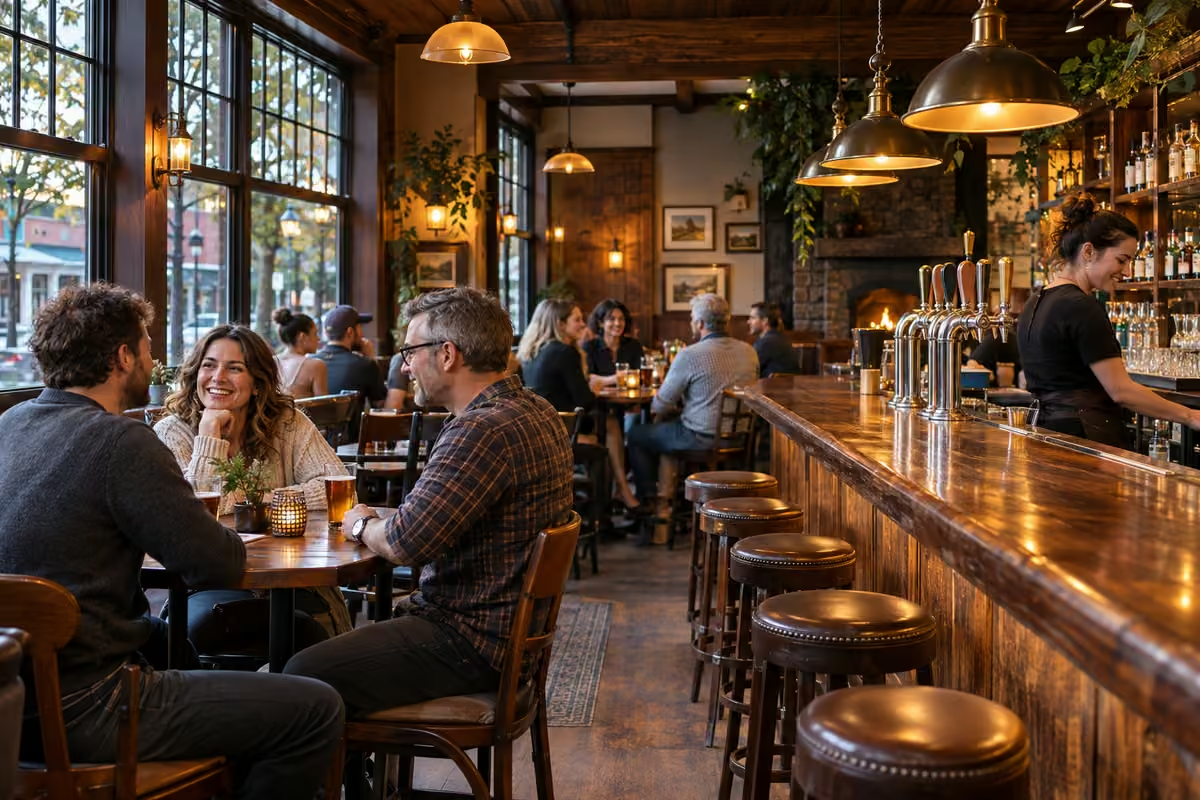
Show how the venue operates
Start with food and liquor revenue, seating and maximum capacity, opening and closing hours, patios and private bookings. Explain televised sports, live music, DJs, dancing, ticketed nights and outside promoters where offered. A change in entertainment or trading hours can alter the earlier operating description.
Identify who controls admission and security, whether door staff are employees or contractors, and how incidents are recorded. Describe alcohol-service training, age verification and procedures for refusing service or managing a difficult situation. These operating details support the insurance review; they do not establish that every allegation is covered.
Review liability with the actual activities
Liquor Liability addresses specified allegations involving alcohol service. General liability addresses other specified injury or property-damage allegations against insured parties. Assault, battery, security and forcible-ejection treatment deserve explicit questions rather than assumptions about a broad hospitality label.
Independent promoters, performers and security providers can retain their own obligations while the venue continues to control the premises or drinks service. Provide the agreements and available insurance information so the roles can be reviewed together.
Protect the investment behind the bar
Bring values for the kitchen, refrigeration, screens, sound systems, furnishings, stock and tenant improvements. Explain kitchen suppression, cleaning and maintenance, alarms and equipment servicing. Property damage, internal equipment breakdown, spoilage and interrupted trading are separate interests with their own terms.
If the business includes a brewery, taproom, accommodation or an event venue, describe those operations separately. A food-and-liquor application should not conceal production, guest rooms or independent recreation activities.
Prepare the next review
Use the Hospitality, food & liquor application with the revenue mix, hours, entertainment, safeguards, equipment and claims information. Attach the documents available now and identify anything still to follow. Hospitality Equipment & Interruption Preparation helps connect essential equipment with the cost of interrupted operations.
A clearer view
Questions worth asking.
Does this include a sports bar?
A sports bar is a useful description, but we still need its food and liquor mix, entertainment, hours, capacity and actual activities to seek suitable terms.
Are a kitchen fire and a refrigeration failure treated alike?
They can involve different triggers and provisions. Review property damage, equipment breakdown, spoilage and interruption separately in the actual proposal.
Should we explain security and late-night entertainment?
Yes. Include closing hours, capacities, entertainment, outside promoters, door staff and incident procedures. Ask explicitly how assault, battery and security-related allegations are treated in the proposed terms.
Your world, explained
Guidance you can use.
Your next step
Bring your application into view.
Complete the relevant New World application, save a draft and add supporting documents before sending it for review.
Hospitality & tourism
Hospitality, food & liquor
Bring food, liquor, sports-bar activities, guest accommodation and essential equipment into one review.
Save a draft · Add documents · Review before sending
Start application: Hospitality, food & liquor (opens in a new tab)