
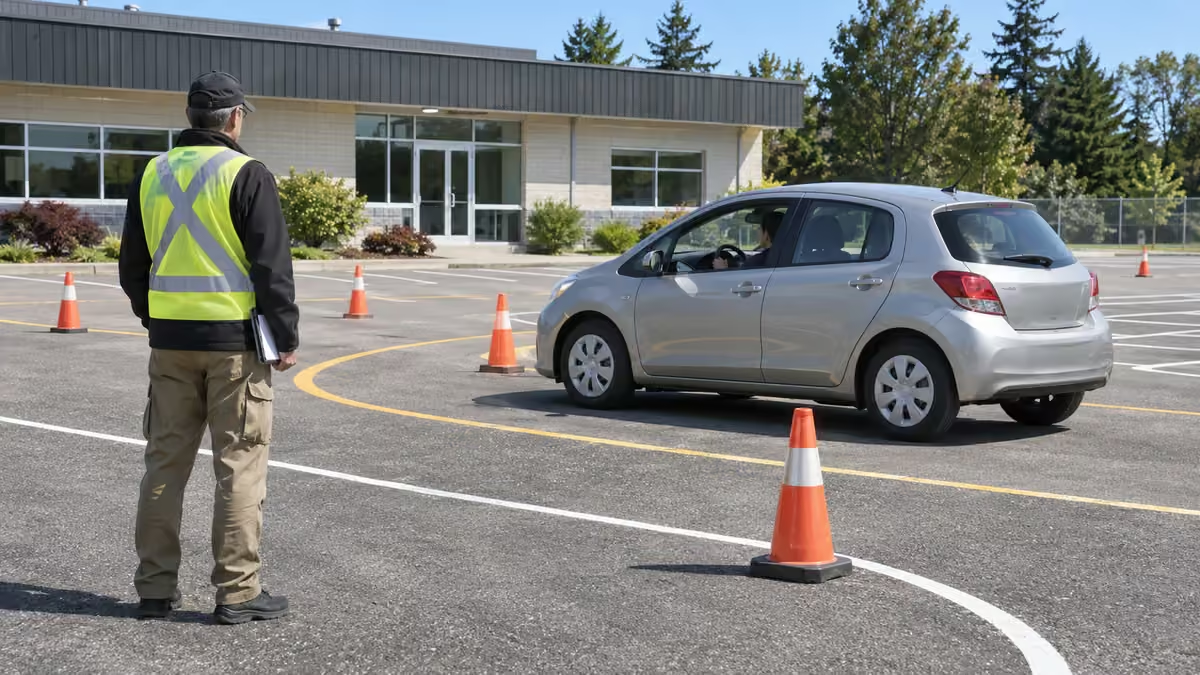
Vehicles used for training
Damage to a training vehicle is distinct from liability arising while it is driven. The accepted training use, instructors, learners and vehicles need to fit the actual motor insurance arrangement.
A personal-use or general commercial vehicle description shouldn't be assumed to include instruction. Availability and terms require specific confirmation for road instruction, commercial-driver training or other proposed activities.
The instruction itself
Professional liability concerns specified claims that negligent advice, assessment or training caused a client harm. Its relevance depends on the accepted services and the actual claims insured. It serves a different purpose from insurance addressing a collision or physical damage to a vehicle.
Client contracts and the scope of the course help identify what service is being promised. An insurer's acceptance of one course doesn't establish acceptance of all training formats.
Premises and business assets
Classrooms, simulators, teaching equipment and records create property, premises-liability and information interests. Those parts of the business sit alongside the vehicles and instruction.
Performance and closed-course experiences
Competitive driving, track activity and performance experiences differ from ordinary road instruction. Race Tracks & Motorsport Facilities Insurance is the related starting point for closed-course operations. Event Insurance may also be relevant to a particular occasion, with participant and vehicle terms requiring focused consideration.