
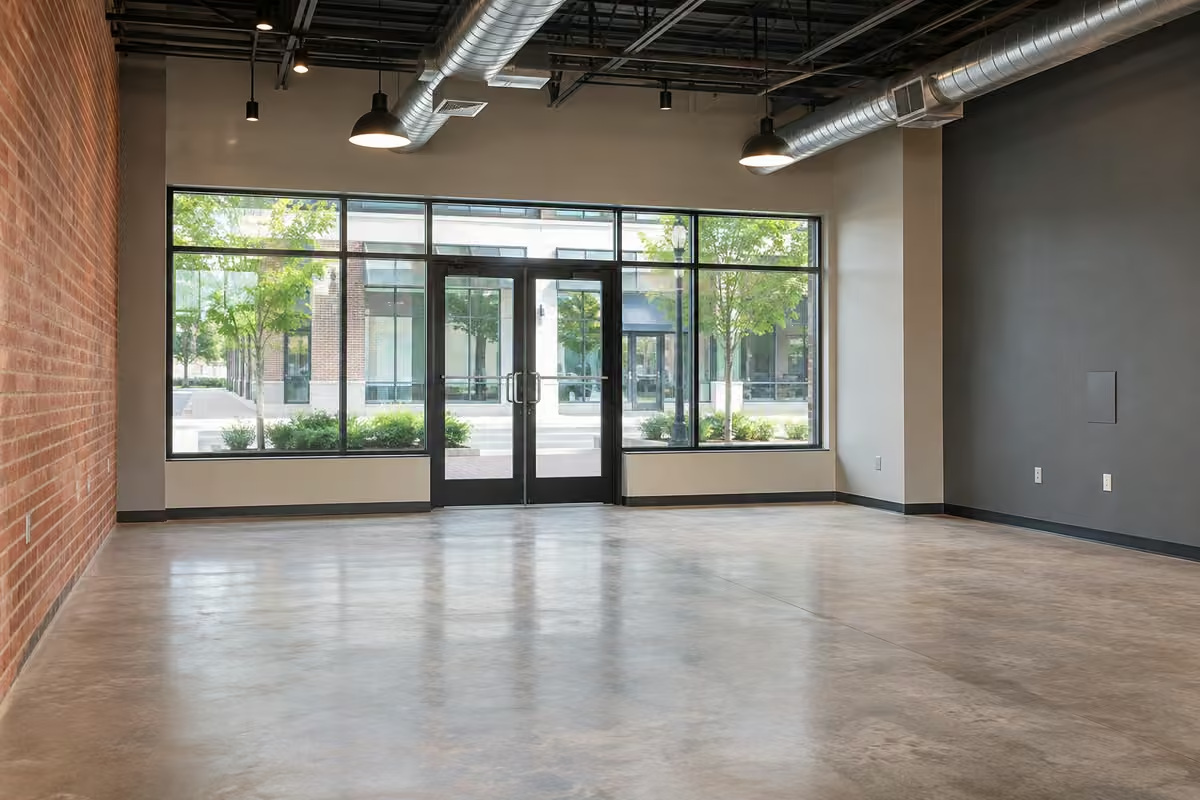
Tell the whole vacancy story
Property policies define vacancy and unoccupancy in their own way. Conditions, restrictions or changes in protection may apply when the building's status changes. A policy suitable during a tenancy should not be assumed to continue on identical terms after the occupants leave.
Describe why the property is empty, when it became vacant and how long that situation may last. A building being marketed for a tenant, one awaiting demolition and one storing machinery present different circumstances.
The building and its supervision
The actual insurance terms establish the property, causes of loss, valuation and conditions. Security, inspections, heat, utilities, maintenance and fire protection help describe how the building will be managed during the vacancy.
Stored contents and equipment also have their own values and uses. If several locations are involved, record the status and arrangements for each rather than treating the portfolio as one uniform vacancy.
Liability and land
An empty building may still have inspections, contractors, access agreements or people entering the premises. Liability concerns remain separate from damage to the owner's building.
Vacant land is another situation again. It has no building to insure, but its use, access and activities still need to be described. The presence of a structure should be clear from the outset.
Work underway and the next occupancy
Renovations can introduce existing-building and project interests at the same time. Structural work, contractor activities, materials and planned occupancy need to be considered before relying on an ordinary vacant-property arrangement.
Illustrative situation: a tenant leaves and the owner begins work before a new lease starts. The move from occupancy to vacancy, through renovation and back to use needs a connected review. Reoccupation or a changed use should be raised before assuming the vacant-building terms remain suitable.
What to have ready
Prepare the property's current status, vacancy dates, expected duration, values, available loss information and arrangements for inspections, security, heat and utilities. Include the work scope and intended next use. The Resource Toolkit helps organize this information; the policy's actual conditions remain the reference for the insured property.
Your world, explained
Guidance you can use.
Your next step
Bring your application into view.
Complete the relevant New World application, save a draft and add supporting documents before sending it for review.
Property
Building owners & rental property
Ownership, building details and separate branches for long-term tenants, short stays, shared housing, seasonal use and vacancy.
Save a draft · Add documents · Review before sending
Start application: Building owners & rental property (opens in a new tab)